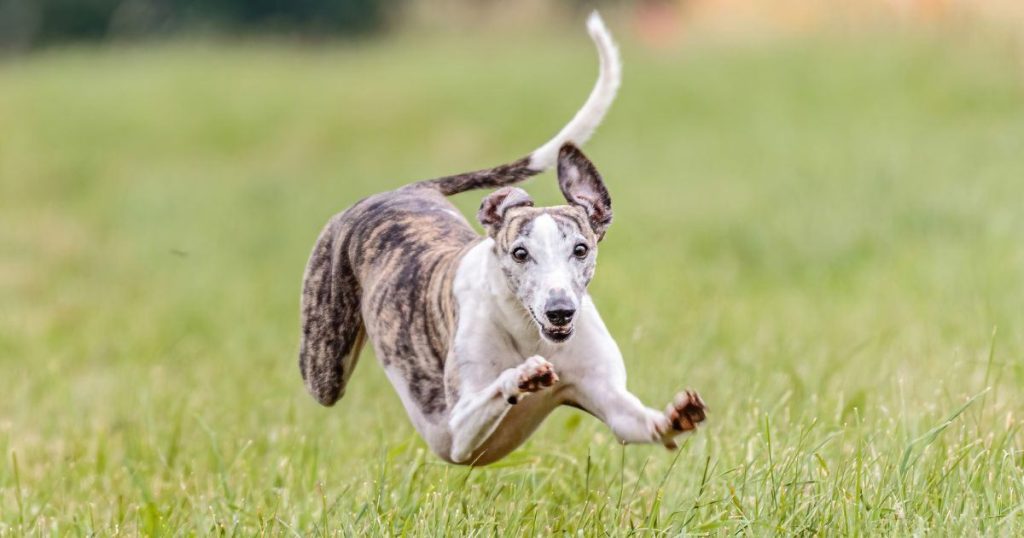
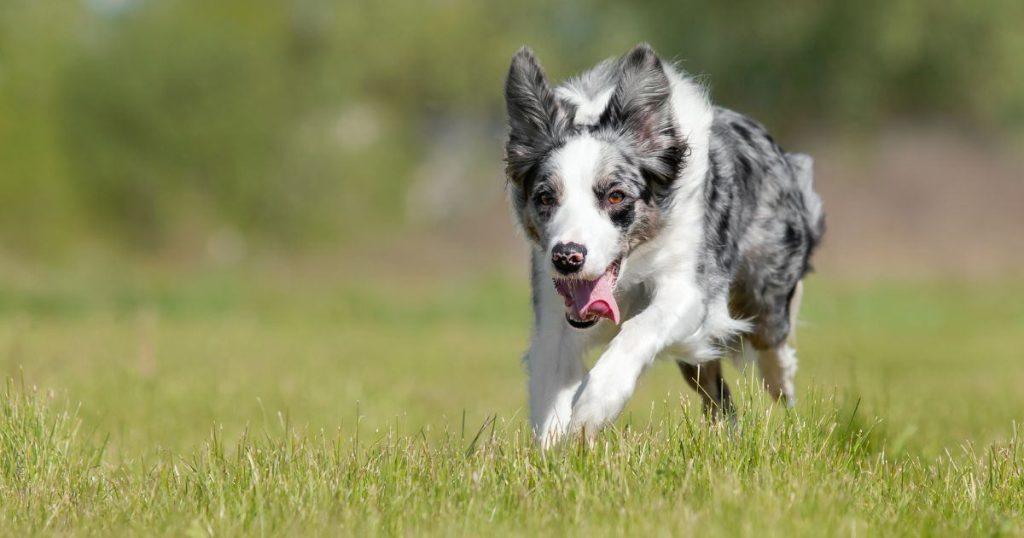
Many pet owners still associate joint protection with supporting older dogs. However, modern veterinary medicine increasingly emphasises the importance of prevention and long-term support.
After all, joint health doesn’t change overnight. Daily strain, genetic factors, the amount of exercise and body weight all shape how our dog moves and feels over the years.
Exercise is important at any age
The developing bodies of puppies, the intense physical activity of active adult dogs and the natural changes in older dogs all place different strains on the joints.
That is why more and more pet owners are adopting a preventive approach: they don’t just want to provide support once a problem has arisen, but well before that.
As well as large dogs, it’s worth paying attention to smaller breeds too
Joint protection in large-breed dogs is a well-established topic, as a higher body weight can place a greater strain on the joints.
At the same time, the daily physical demands placed on smaller dogs should not be underestimated. Repeated jumping, leaping up onto and off high furniture, or regularly climbing stairs can place a significant strain on them.
This is particularly true of varieties such as:
- the dachshund,
- the corgi,
- the French Bulldog,
- or the pug,
where, due to their specific physique, the spine and joints may be subjected to greater strain.
The joints of active dogs are subjected to increased strain
Regular exercise is an essential part of a healthy lifestyle, but the joints of dogs that exercise regularly or are extremely active are subjected to greater strain.
Whether it’s agility, hiking, running or vigorous play, joints are constantly under strain, which is why targeted support is particularly popular among owners of active dogs.
The recovery period may require special attention
Following injuries, surgery or a prolonged period of rest, the phase of gradual return to activity can be particularly important.
In such cases, alongside an appropriate exercise regime and a balanced diet, active ingredients that support joint health can also play a role in promoting comfort and maintaining activity levels.
A healthy weight is one of the most important factors
According to the American Animal Hospital Association, maintaining a healthy body condition is one of the most important factors for long-term joint health.
Being overweight can place a constant strain on the joints, which may affect mobility and comfort of movement in the long term.
The aim: many long, active years together
Joint care isn’t really about the problems themselves. It’s much more about ensuring that our dog continues to run up to us with the same joy, sets off for a walk with the same enthusiasm, and enjoys our time together with the same happiness.
Because for them, movement is not just an activity, but the joy of life.
Sources
American Animal Hospital Association. (2021). Guidelines on Canine Osteoarthritis. AAHA.
American Kennel Club. (2024). Joint health and mobility resources for dog owners.
World Small Animal Veterinary Association. (2020). Global Nutrition Guidelines. WSAVA.
Gupta, R. C., Canerdy, T. D., Lindley, J., et al. (2012). Comparative therapeutic efficacy and safety of type II collagen in dogs with arthritis. Journal of Veterinary Pharmacology and Therapeutics, 35(6), 593–598.