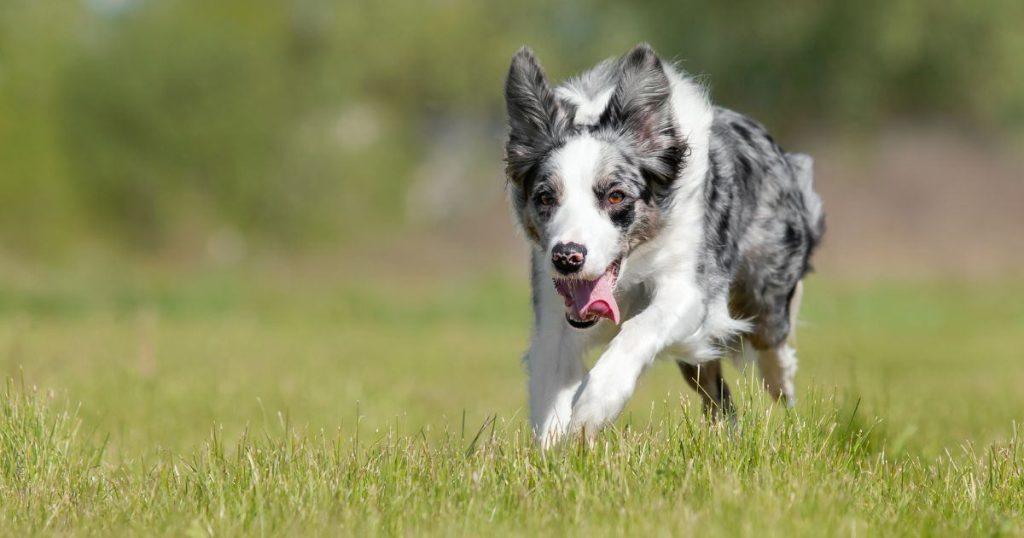
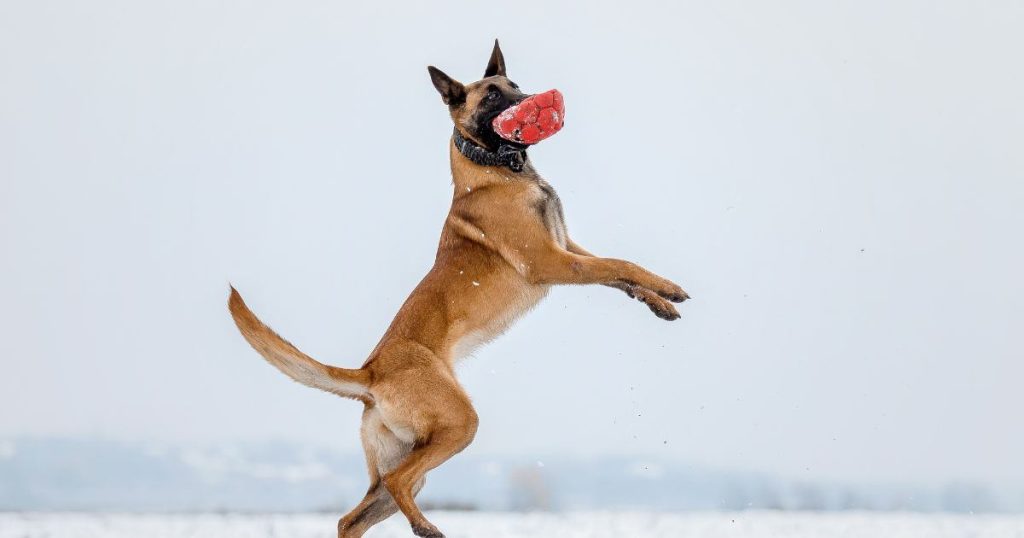
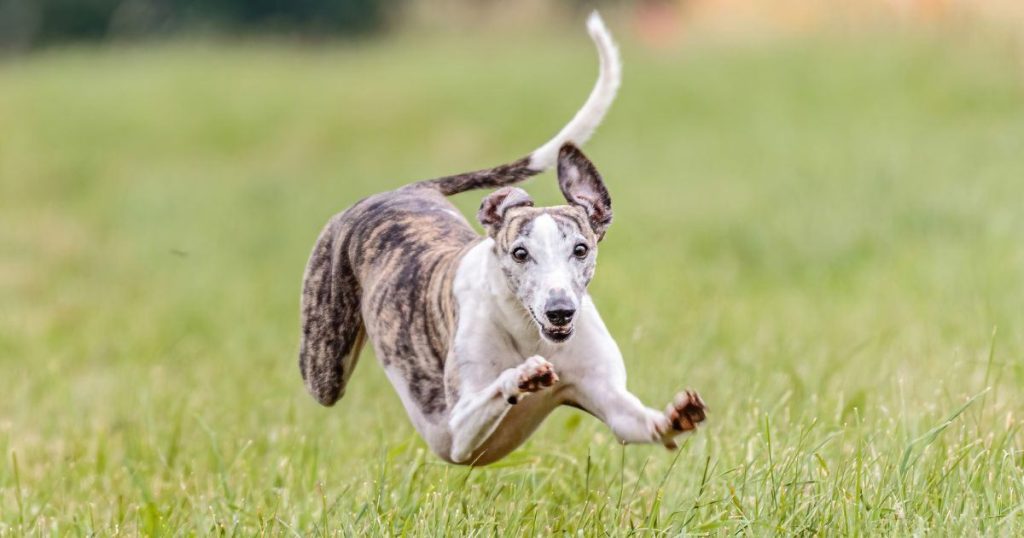
Exercise is not a luxury for dogs, but the foundation of their quality of life.
Few things bring more joy than seeing our dog rush excitedly towards us, jump happily onto the sofa, or run carefree in the park. For them, exercise is not just a form of activity, but a natural way of life that is closely linked to wellbeing, play and shared experiences.
This is precisely why it is difficult for many owners to notice when these movements begin to change gradually. Joint problems in dogs often develop gradually, and the early signs are often so subtle that it is easy to put them down to old age or „days when they’re feeling a bit sluggish”.
Yet paying conscious attention can make a big difference in the long run.
Both the American Kennel Club and the World Small Animal Veterinary Association emphasise that maintaining a healthy weight, leading an active lifestyle and supporting the joints can play a key role in maintaining dogs’ long-term mobility.
The first signs are often quite ordinary
Most owners don’t notice a limp or a serious mobility problem at first. Rather, they notice subtle changes.
Perhaps our dog takes a little longer to get up in the mornings. Perhaps he isn’t quite as lively when playing. It may be that a jump onto the sofa, which used to come naturally, now begins with a brief „pause for thought”.
Many people also notice that their favourite:
- doesn’t really like climbing stairs,
- gets tired more quickly when out for a walk,
- or moves more stiffly after resting.
These do not necessarily pose a serious problem in themselves, but they can be important indicators that the joints require greater support.
It is not just elderly or large dogs that are affected
One of the most common misconceptions is that joint protection is only important for older or large dogs.
In fact, every dog’s joints are subjected to daily strain, just in different ways.
In the case of larger breeds, body weight places a greater strain on the joints, whilst smaller dogs often experience a proportionally greater strain due to repeated jumping and climbing stairs.
For a dachshund or a Chihuahua, jumping up onto a high sofa several times a day can be a much more strenuous activity than one might initially think.
Targeted support may be particularly important for breeds that, due to their genetic makeup, are more prone to musculoskeletal problems. These may include, for example:
- dachshunds,
- Corgis,
- French Bulldogs,
- pugs,
- German Shepherds,
- Labrador Retrievers,
- or golden retrievers.
In the case of dogs with longer spines or a specific body structure, their joints and spine may be subjected to greater strain; therefore, a preventative approach may be particularly important for them.
Body weight plays a bigger role than many people realise
Being overweight is one of the most significant factors that can increase the strain on the joints in the long term.
According to the Association for Pet Obesity Prevention, overweight dogs may be at a significantly higher risk of developing musculoskeletal problems.
Even just a few extra kilograms can put a significant strain on the joints, particularly in active or large dogs.
Joint protection may also be important for regeneration
Supporting the joints is important not only as a preventative measure, but also during recovery following injuries or surgery.
For dogs in recovery, controlled exercise, rehabilitation, a suitable diet and carefully formulated active ingredients can help them gradually regain their activity levels and sense of well-being.
The aim is not to impose restrictions – but to preserve shared experiences
Conscious joint care isn’t about viewing our dog as „old”. Rather, it’s about supporting, in the long term, the active, joyful life we share with them day in, day out.
Because the most beautiful moments are often the simplest:
a happy walk, a glance that invites them to play, or that excited dash when they hear the rustle of the treat bag.
Sources
American Kennel Club. (2024). Joint health and mobility resources for dog owners.
Association for Pet Obesity Prevention. (2023). Results of the survey on the prevalence of pet obesity.
World Small Animal Veterinary Association. (2020). Global Nutrition Guidelines. WSAVA.
American Animal Hospital Association. (2021). Guidelines on Canine Osteoarthritis. AAHA.